
The Jewelry Business: Gold, Luxury, Investment and the Future of the Global Jewelry Market
Introduction: The Power of Jewelry in Modern Business
The jewelry industry has always been more than a market for beautiful accessories. Gold, diamonds, gemstones, and luxury jewelry represent culture, wealth, personal expression, and long-term value. From ancient civilizations to modern luxury brands, jewelry has maintained its position as one of the most influential industries in the world.
Today, the jewelry business is experiencing a major transformation. Customers are not only buying jewelry for decoration; they are also looking at gold and precious stones as investments, financial protection, and symbols of success.
Entrepreneurs entering the jewelry market need to understand several important elements: gold prices, customer psychology, supply chains, branding, online sales, digital marketing, and trust building.
The Importance of Gold in the Jewelry Industry
Gold is the foundation of the global jewelry business. For thousands of years, gold has been considered one of the most valuable materials because of its rarity, durability, and unique appearance.
Unlike many consumer products, gold jewelry combines beauty with financial value. A gold necklace, ring, or bracelet can be enjoyed as a luxury product while also maintaining a significant material value based on gold weight and purity.
The price of gold changes according to international markets, currency movements, economic conditions, and investor demand. Successful jewelry businesses monitor gold prices constantly to create competitive pricing strategies.
Understanding Gold Purity and Karats
One of the most important concepts in the jewelry business is gold purity. Gold is measured using the karat system, which shows the percentage of pure gold contained in an item.
- 24K Gold: Almost pure gold with maximum value.
- 22K Gold: Popular for traditional jewelry.
- 18K Gold: A balance between durability and purity.
- 14K Gold: Strong and commonly used in modern jewelry.
Jewelry businesses must clearly communicate gold purity to customers because transparency creates trust. Customers are more likely to return to brands that provide accurate information about materials and pricing.
The Growth of Online Jewelry Businesses
The internet has completely changed how people discover and purchase jewelry. Online jewelry stores allow businesses to reach customers worldwide without the limitations of traditional physical stores.
A successful online jewelry business requires professional product photography, clear descriptions, secure payment systems, customer reviews, and strong search engine optimization strategies.
Websites focused on gold, diamonds, and jewelry tools can attract visitors by providing useful calculators, educational content, market information, and buying guides.
The Complete Guide to the Jewelry Business: Gold, Diamonds, Luxury and Global Opportunities
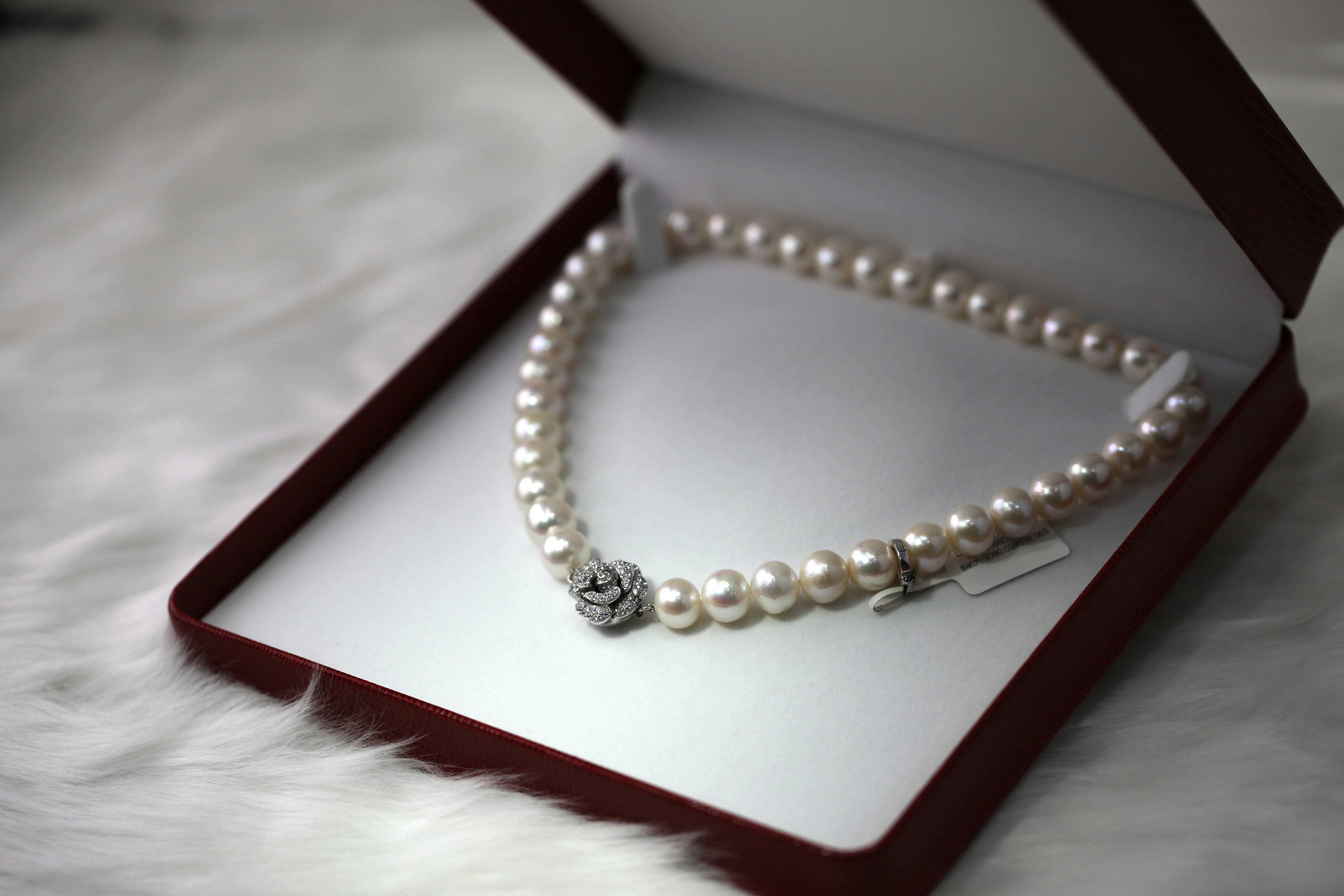
Introduction: Why Jewelry Is One of the World's Most Powerful Businesses
The jewelry industry is one of the oldest and most valuable industries in human history. For thousands of years, people have used gold, diamonds, and precious gemstones as symbols of beauty, wealth, status, and personal identity.
Today, jewelry is no longer only a luxury product. It has become a global business sector that combines craftsmanship, finance, technology, marketing, and international trade.
From small family-owned jewelry stores to international luxury brands, the jewelry market offers many opportunities for entrepreneurs who understand customer needs, market trends, and the value of precious materials.
Gold remains one of the strongest foundations of this industry because it combines physical beauty with financial value. Unlike many products that lose their value after purchase, gold jewelry can maintain significant value depending on purity, weight, design, and market conditions.
The History and Evolution of Jewelry Business
Jewelry has existed for thousands of years across different civilizations. Ancient Egyptians, Romans, Greeks, and Asian cultures used gold and gemstones for decoration, religious ceremonies, and signs of social position.
Gold became especially important because it does not rust, it is rare, and it can be shaped into beautiful designs. These characteristics made gold a symbol of permanence and prosperity.
Over time, the jewelry business evolved from traditional workshops into a global industry. Modern jewelry companies combine traditional craftsmanship with advanced technology, digital marketing, and online commerce.
Understanding the Gold Jewelry Market
Gold is the most recognized precious metal in the jewelry industry. The value of gold jewelry depends on several important factors including weight, purity, design, craftsmanship, and the current international gold price.
Successful jewelry businesses monitor gold prices regularly because even small changes in the market can affect production costs and retail prices.
Gold Purity: The Foundation of Jewelry Pricing
Gold purity is measured using the karat system. Understanding karats is essential for both jewelry businesses and customers.
- 24K Gold: The highest purity level, containing almost pure gold.
- 22K Gold: Popular in many traditional jewelry markets.
- 18K Gold: A popular choice for luxury jewelry because it combines beauty and durability.
- 14K Gold: Stronger and commonly used for everyday jewelry.
A professional jewelry business must clearly explain gold purity to customers. Transparency creates trust, and trust is one of the most important factors in luxury markets.
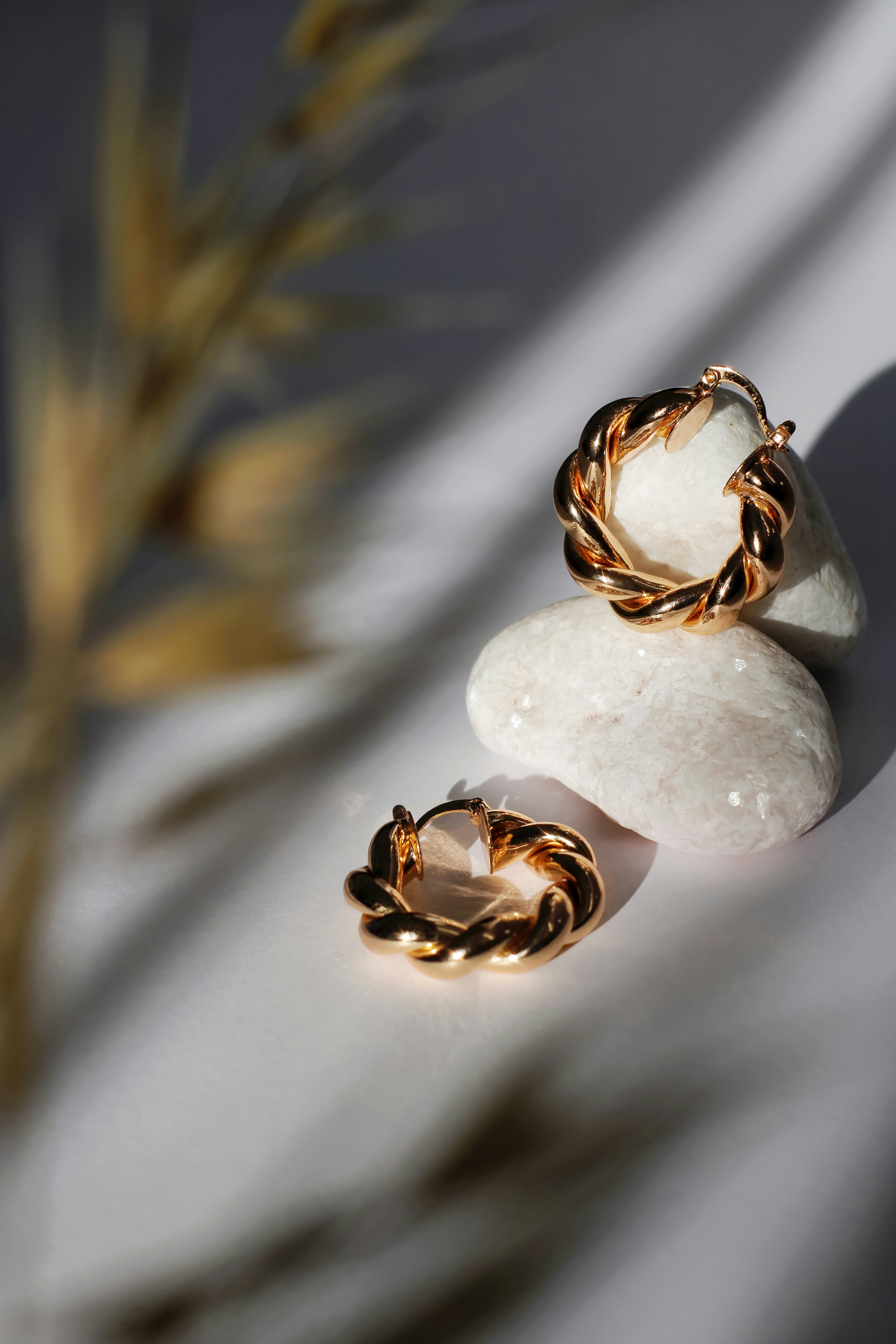
The Business Opportunities in Gold Jewelry
The gold jewelry market offers different business opportunities. Entrepreneurs can focus on manufacturing, retail sales, online stores, custom jewelry, investment products, or educational platforms.
A modern jewelry website can attract customers by providing valuable tools such as gold calculators, diamond calculators, jewelry guides, and market information.
Starting a Jewelry Business: The Essential Steps
Starting a jewelry business requires more than buying and selling products. Entrepreneurs need a clear strategy that includes market research, supplier selection, branding, marketing, and customer service.
- Study the jewelry market and identify your target customers.
- Find reliable suppliers of gold, diamonds, and gemstones.
- Create a strong brand identity.
- Build an online presence.
- Provide transparent pricing and excellent customer support.
Building Trust in the Jewelry Industry
Trust is the most valuable asset in the jewelry business. Customers often make important financial decisions when purchasing gold and diamonds.
Businesses can increase trust by providing certificates, detailed product information, clear prices, and professional communication.